For Long, Healthy Natural Kinky and Curly Hair - Your Dry Hair Days Are Over!
  • About
  • Queens
    • QueenOfKinks
  • Hair Blog
    • Magazine
    • Headbands
    • Scarf
  • TV
  • FreeInfo
  • Courses
    • HotOilTreatments
    • HairButters
    • DIYshampoos
    • DIYconditioners
    • DIYmoisturizers
    • DIYdetanglers
    • Property
  • Contact
    • FAQs
    • Advertise
  • About
  • Queens
    • QueenOfKinks
  • Hair Blog
    • Magazine
    • Headbands
    • Scarf
  • TV
  • FreeInfo
  • Courses
    • HotOilTreatments
    • HairButters
    • DIYshampoos
    • DIYconditioners
    • DIYmoisturizers
    • DIYdetanglers
    • Property
  • Contact
    • FAQs
    • Advertise
Search

How Are Carrier Oils Extracted From Plants? (Solvent, cold, Expeller, Extraction)

26/3/2014

 
Picture
Plant oils are extracted from vegetables, fruits, nuts and seeds of plants in various ways.

1. Cold Pressing (Mechanical)

Cold pressed oils have the highest nutritional value, and if you are eating them also the best flavour and aroma.

Cold pressing involves grinding the vegetable, fruit, seed or nut using heavy granite millstone or stainless steel presses in such a way that the friction doesn't produce a lot of heat. By keeping temperatures below 49°C (120°F) the goodness of the oil is preserved. The lower you keep the temperature the better the oil you get.

Some oils such as grapeseed oil are never produced by cold pressing because you simply don't get much oil out of them with the method.

2. Expeller Method (Mechanical)

Under the expeller method oils are extracted using high pressure. Heat may also be used. If it is, temperatures as high as 85°C (185°F) are applied.

3. Solvent Extraction (Chemical)
Solvents can be used to extract carrier oils in the same way as they are used to extract essential oils.

With the solvent extraction method plant material is soaked in a solvent e.g. petroleum ether, methanol, ethanol or hexane. The cell membranes of the plant material are ruptured and the oil absorbed into the chemical. 

The solvent is then separated and the oil bottled. However, some chemical residues are left from the solvent so the resulting oil is not 100% pure. 
Picture
The amount of solvent left could range from 6-20% with some solvents. With hexane, however, the residue left is said to be 10ppm which is a very low concentration; it's equivalent to 0.001%.

Personally, if I could prove that the solvent used was hexane and the price was much lower than with other oils then I would be happy to take my chances on this one because I spend a small fortune on ingredients for my DIY Hair Care Recipes.

Picture

​Get your FREE ebook on How To Grow Long, Healthy Natural Kinky or Curly Hair.


You might also like:
  • Neno Natural's Free DIY Shampoo Recipes
  • How Are Essential Oils Extracted From Plants? (Steam Distillation, CO2 Extraction, Cold Press, Etc.)


Ref:
whfoods.org, cold-pressed oils (about.com), Expeller Pressing (wikipedia),


Comments are closed.
    I now blog about wealth creation - so if you have any money questions meet me there, you can do all sorts of cool things like leave me a voicemail.
    Follow @NenoNatural
    Picture
    Picture
    Picture
    Picture

    By Heather Katsonga-Woodward

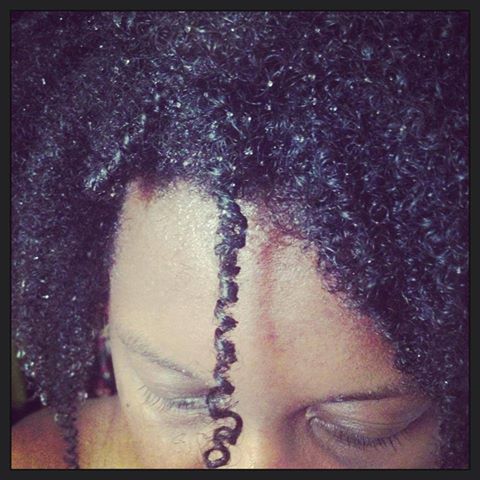
    I was a natural hair blogger and mixtress living between London & Chicago from 2012 to 2017. I always thought I was 4C but some say 4B; images below - you decide! Heather xx

    p.s. I now blog about wealth and personal finance on my personal website.

    Picture

    Categories

    All
    About
    Aloe Vera
    Bad Chemicals
    Bad Hair Practices!
    Baggying
    Big Chops
    Braids Weaves Wigs
    Brands
    Breakage/thinning
    Butters
    Carrier Oils
    Carrier Oils & Butters
    Children
    Color
    Conditioning Hair
    Co Washing
    Cultural Issues
    Damage
    Dandruff
    Detangling
    Detangling/combing
    Diet & Hair
    Dreadlocks
    Essential Oils
    Events
    Exercise
    Food For Hair
    Frizz Control
    Giveaways!
    Growth Phases
    Growth Stimulators
    Growth Tips
    Hair Type
    Hard Water Solutions
    Heat
    Homemade Hair Recipes
    Ingredients In Products
    Interviews
    Itchy Scalps
    Lice
    Magazines
    Makeup
    Matted Hair